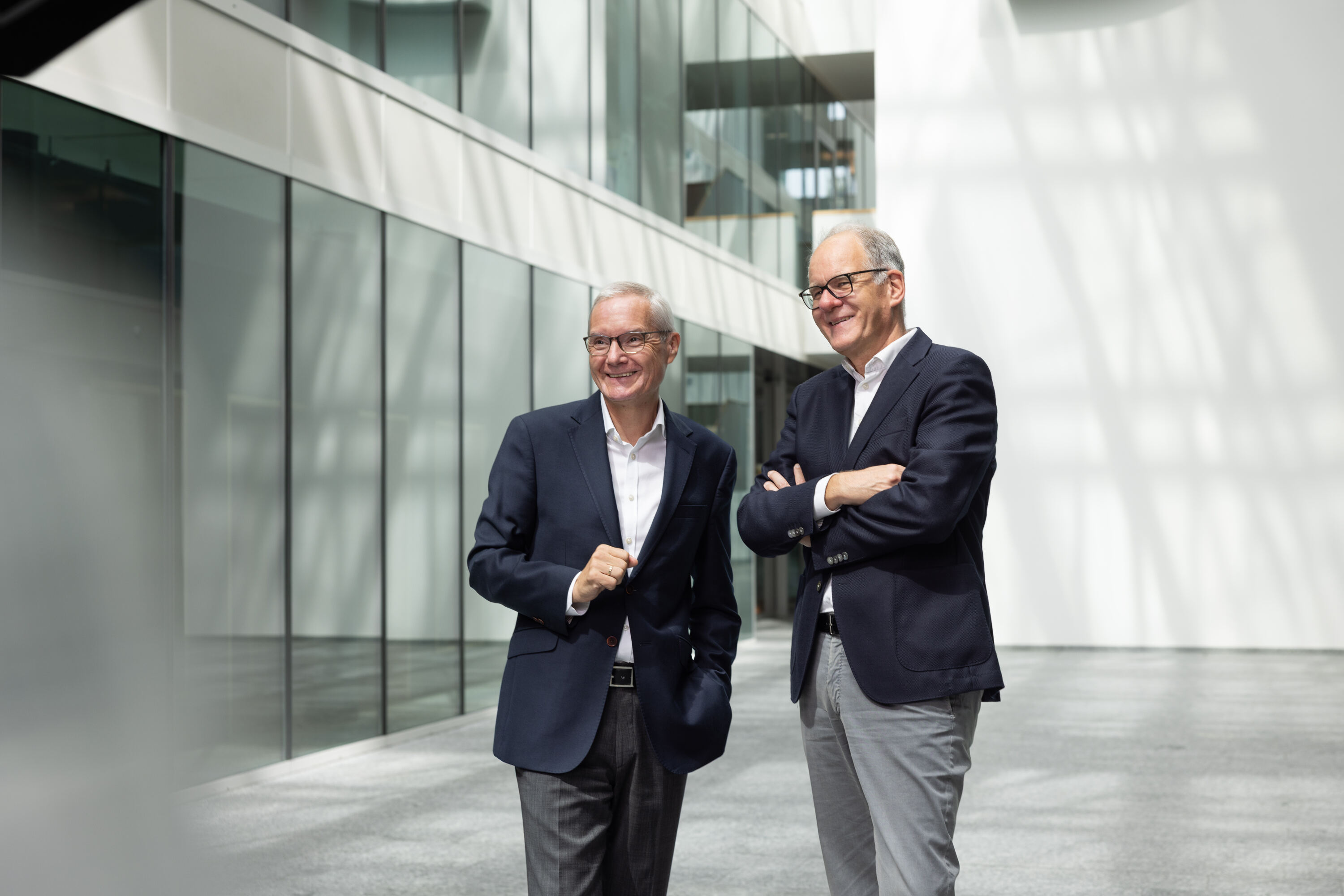
A Senior led Gasverbund Mittelland as interim CEO through a challenging transition period. He brought stability to a company in turmoil, set the course for the future, and handed over a well-organized organization to the new CEO.
Background
The years of the gas crisis had taken a heavy toll on Gasverbund Mittelland (GVM). The war in Ukraine had caused gas prices to skyrocket, the future role of gas as an energy source was being publicly questioned, and Switzerland’s net-zero target further put the company’s strategic direction to the test. During this period, both the chairmanship of the Board of Directors and the CEO position at GVM needed to be filled. For the approximately 70 employees—more than 50 of whom work in gas technology—this created a palpable sense of uncertainty.
The new Chairman of the Board of Directors, Thomas Ernst, took office in the fall of 2023. The Board of Directors wanted to give him the opportunity to recruit the new CEO himself. Since such a search typically takes six to nine months and more than a year can quickly pass before the new CEO takes office, a viable interim solution was needed: an interim CEO. André Kuntz assumed this role virtually at the same time the new Chairman took office.
Why a Senior?
The Board of Directors’ decision was clear: For a transitional period of one year—and possibly longer—what was needed was not a stopgap measure, but a leader who could stand before the workforce, command respect through experience, and exude calm. No executive could be found directly from the gas industry. This did not prove to be a disadvantage: what was needed was not specialized knowledge of the gas business, but strong leadership, the ability to engage in dialogue with employees, and a proven track record in handling complex tasks.
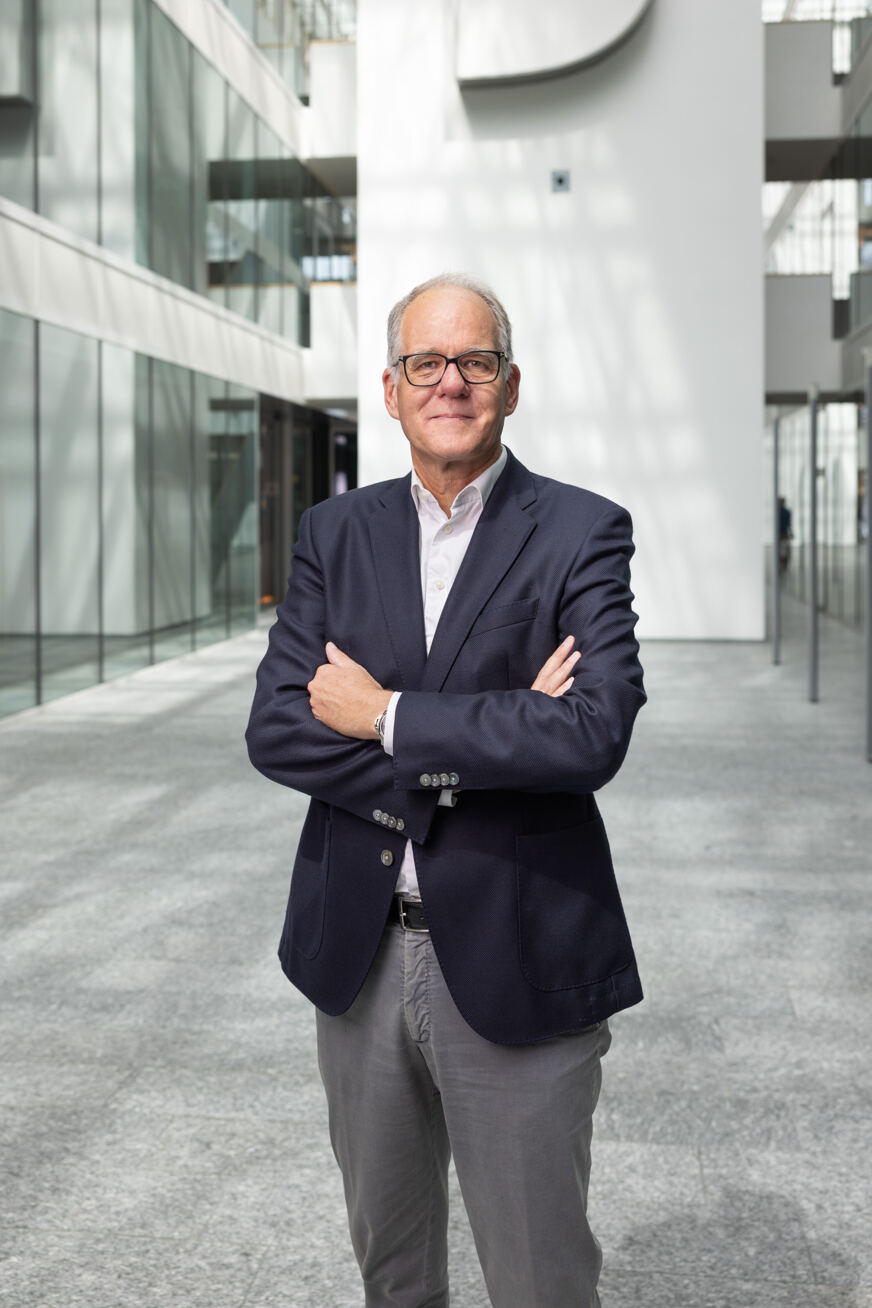

“We needed someone who, while not having exactly the same industry experience, could bring that sense of calm to the company based on their track record and resume. That requires a certain amount of professional experience. It’s not something you can do when you’re young.”
Thomas Ernst, Chairman of the Board of Directors, Gasverbund Mittelland
Approach
André Kuntz began by listening. He held one-hour conversations with over 60 of the approximately 70 employees: What do you do here? Why do you do it? What would you change? He synthesized these insights into an anonymized analysis, which he shared with the staff and the board of directors. This built trust: The employees sensed that here was someone who truly wanted to make a difference.
Through consistent prioritization, the focus could be narrowed to a handful of goals. Once a month, André Kuntz presented the same five slides to the team: what has changed, what has stayed the same, and where action is needed. Consistency rather than a constant stream of new messages.
Together with the chairman of the board of directors, he divided the issues into two categories: those he could resolve himself as interim CEO, and long-term projects that he prepared to the point where the new CEO could take them over seamlessly. This also included a major corporate acquisition.
Result
Calm was restored, and key personnel and their expertise remained with the company. A new HR function was established, partly in response to the age structure: about half of the workforce will be leaving the company in the coming years due to retirement. The executive team was realigned to meet today’s demands, and the corporate acquisition was so well prepared that the new CEO was able to bring it to a successful conclusion.
At no point was there a vacancy at the top of the company. The new CEO took over a well-organized, well-managed organization with a culture that had noticeably changed: open doors, regular dialogue, and a communication style that not only allows for feedback but actively seeks it out and takes it into account.
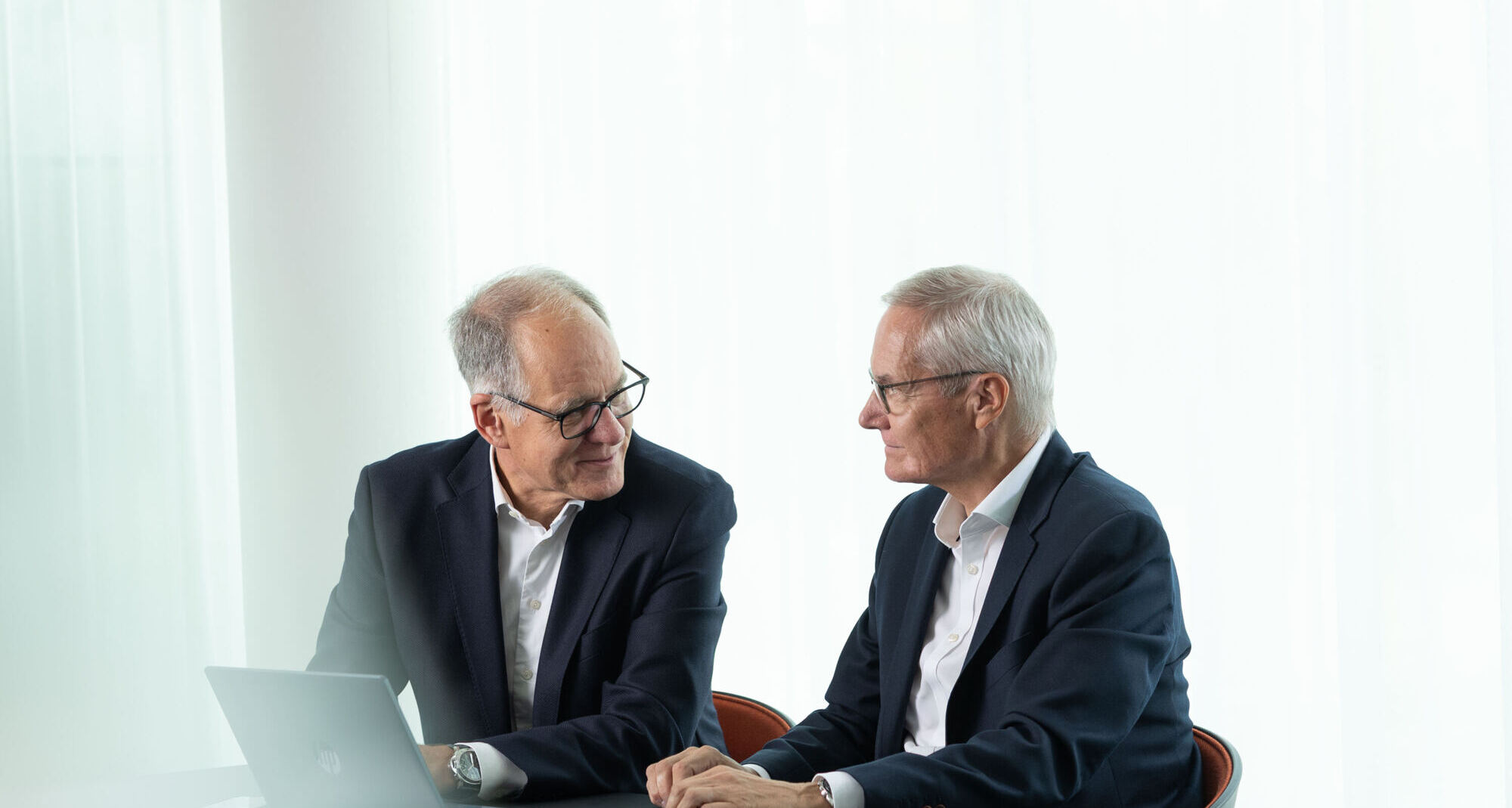
Perspectives
Client’s Perspective
“We reached an agreement with a handshake. We quickly defined what my role was and what his was, and were able to tackle the issues right away. It was completely pragmatic, with no hidden agenda—just focusing on the matter at hand: What’s right for the company right now, and how do we implement it?”
Thomas Ernst, Chairman of the Board of Directors, Gasverbund Mittelland
Senior’s Perspective
“In a mandate like this, you can put yourself in the background. It’s all about the task at hand, the future of the company, and bringing the new CEO up to speed. It was never about me. That’s something very rewarding—and it’s also a lot of fun. I was extremely grateful for this mandate and for the opportunity to get to know the company and the people there and to support them during this important phase.”
André Kuntz, Interim CEO of Gasverbund Mittelland
For the Senior himself, a mandate like this is more than just a temporary role: the experience gained over an entire career is needed, valued, and appreciated.
Gasverbund Mittelland AG (GVM), headquartered in Arlesheim, procures and transports gas on behalf of 15 local utilities in the Mittelland region and northwestern Switzerland. To this end, it operates a high-pressure pipeline network spanning approximately 520 kilometers with over 80 transfer stations and employs about 70 people. The company’s future focus is on green gases.
When the search for the permanent successor takes time the company doesn’t have. At Gasverbund Mittelland, a change of chairman, a CEO vacancy, and the effects of the gas crisis coincided. Rather than settling for a stopgap, the Board of Directors gave the new chairman the time to recruit the right CEO himself, with a Senior as interim CEO.
No. At Gasverbund Mittelland, the deliberate choice was an executive who did not come from the industry. What was needed was leadership strength, dialogue with employees, and the calm that comes from a whole career’s worth of experience.
By listening, prioritizing, and staying consistent. More than 60 one-on-one conversations with employees built trust, a handful of clear goals provided direction, and the same five slides every month showed what had changed and where action was needed.
A well-organized, well-led company: key people and their knowledge stayed, an HR function and a modern executive team were put in place, and a strategic acquisition was so well prepared that the new CEO could bring it to a close. The culture had noticeably changed: open doors, regular exchange, and feedback that is actively sought.

 Login